Ho Chi Minh City is recording strong growth momentum, with GRDP in Q1 2026 reaching 8.27%, approximately 9.8% higher than the 7.53% recorded in 2025. However, as the market accelerates, the key question for many businesses is no longer just about capturing opportunities, but whether their organizations are capable enough to keep up.
Rapid Growth in HCMC, but Organizational Capability Lags Behind
Ho Chi Minh City remains one of the most dynamic markets in Vietnam, with a workforce of nearly 4.9 million people and an annual recruitment demand exceeding 300,000 positions. In Q1 2026 alone, hiring demand was nearly 1.6 times higher than job-seeking demand, particularly in sectors such as manufacturing, trade and services, logistics, and retail.
This supply–demand imbalance highlights both the significant growth potential and the increasing pressure on workforce quality and fit.
The challenge is not only about hiring the right people but also retaining them. Most turnover is driven by internal organizational factors:
- 54.5% leave for better opportunities
- 44.2% are dissatisfied with compensation and benefits
- 33.9% cite high work pressure
- 32.1% feel misaligned with company culture
These figures indicate that the decision to leave is not just about “where to go,” but whether “staying is good enough.”
In such a competitive market, the challenge is no longer simply hiring more people, but building a capable and engaged workforce that can sustain growth. This cannot be solved by recruitment or compensation alone—it depends on leadership capability in developing people, fostering engagement, and guiding effective organizational performance.
In other words, growth today is no longer a market problem—it is an organizational capability problem. And ultimately, that capability is determined by the quality of leadership.
Signs Your Team Is Not Keeping Up with Growth
Organizations do not weaken overnight. The signs often appear gradually: more work but not more results, larger teams but harder coordination, technically strong managers who struggle to lead people. As businesses grow rapidly, these issues become more visible.
1. Managers Are Technically Strong but Lack Leadership Skills
Many managers are promoted based on expertise, but as organizations scale, their role must shift toward direction-setting, people development, and empowerment. Without this transition, teams cannot grow, and the organization struggles to scale sustainably.
2. Teams Are Busy but Ineffective
High workload and frequent meetings, yet slow progress and inconsistent quality—this often signals that goals have not been translated into clear priorities.
3. Lack of Cross-Functional Alignment
When departments operate based on their own objectives, organizations may optimize locally but fail globally. Misalignment reduces both execution speed and quality.
4. Over-Reliance on Key Individuals
A few standout individuals may drive short-term performance, but over-dependence limits scalability, succession, and long-term sustainability.
5. Weak Organizational Culture
Culture shapes how people make decisions, collaborate, and behave daily. Without a clear and consistent culture, organizations lack a shared standard, making performance overly dependent on individual leaders rather than team autonomy.
If your organization recognizes multiple signs above, the issue is no longer individual—it is systemic.
What Kind of Leadership Do HCMC Businesses Need for the Future?
1. Start with Yourself
Organizational change begins with leadership. Instead of blaming the market, people, or circumstances, effective leaders take ownership and focus on what they can influence.
Proactivity shifts leaders from reacting to shaping direction—this is the foundation of effective leadership.
2. Build Trust to Accelerate Execution
As organizations grow, speed depends not only on processes but also on trust.
Low trust leads to excessive control, multiple approval layers, and high coordination costs. High trust, on the other hand, enables clearer communication, faster decisions, and greater ownership across teams.
Trust is not just cultural—it is a direct driver of performance.
3. Focus on What Matters Most
A key reason organizations become “busy but ineffective” is lack of focus.
Leaders must define clear priorities and concentrate resources on the most critical goals. When everyone aligns around a shared focus, execution effectiveness increases significantly.
4. Build Execution Discipline
Strategy only matters when it is executed effectively.
Execution requires discipline, consistent tracking, and adaptability. When leaders translate strategy into clear actions and guide teams accordingly, results become an organizational capability—not individual effort.
5. Develop Team Potential
In a talent-scarce environment, leadership is no longer about finding the right people, but unlocking the potential of existing teams.
Great leaders coach, empower, and create environments where individuals grow. This builds not only stronger talent but also a sustainable internal capability.
6. Create a Clear Vision
Sustainable growth is driven by a clear long-term vision.
When teams understand where the organization is heading and why, they become more engaged, aligned, and proactive. One of the most critical leadership responsibilities is to define and communicate this vision consistently.
7. Shape Organizational Culture
Leaders shape not only results but also how people think, act, and collaborate daily.
A strong culture provides a shared way of working, reducing reliance on control and enabling consistency across teams. This is essential for maintaining performance as organizations scale.
FranklinCovey Vietnam Solution: Strengthening Leadership and Optimizing Organizational Performance
FranklinCovey is a global leader in leadership development and cultural transformation, grounded in timeless principles of human effectiveness.
Rather than focusing on isolated skills, FranklinCovey helps organizations transform from within—how they lead, work, and collaborate—to create systemic and sustainable change. This approach enables not only short-term performance improvement but also long-term organizational resilience.
In Vietnam, FranklinCovey Vietnam (a member of PACE) has been the exclusive partner since 2014, supporting organizations in strengthening capabilities across four core pillars:
- Leadership development
- Team effectiveness
- Culture building
- Operational excellence
Through an integrated approach combining content, people, and technology, FranklinCovey enables meaningful behavior change—driving superior and sustainable results.
Programs Currently Available in Ho Chi Minh City
The 7 Habits of Highly Effective People
Builds a foundation of proactivity and accountability across the organization, improving productivity and work quality.
The 4 Essential Roles of Leadership®
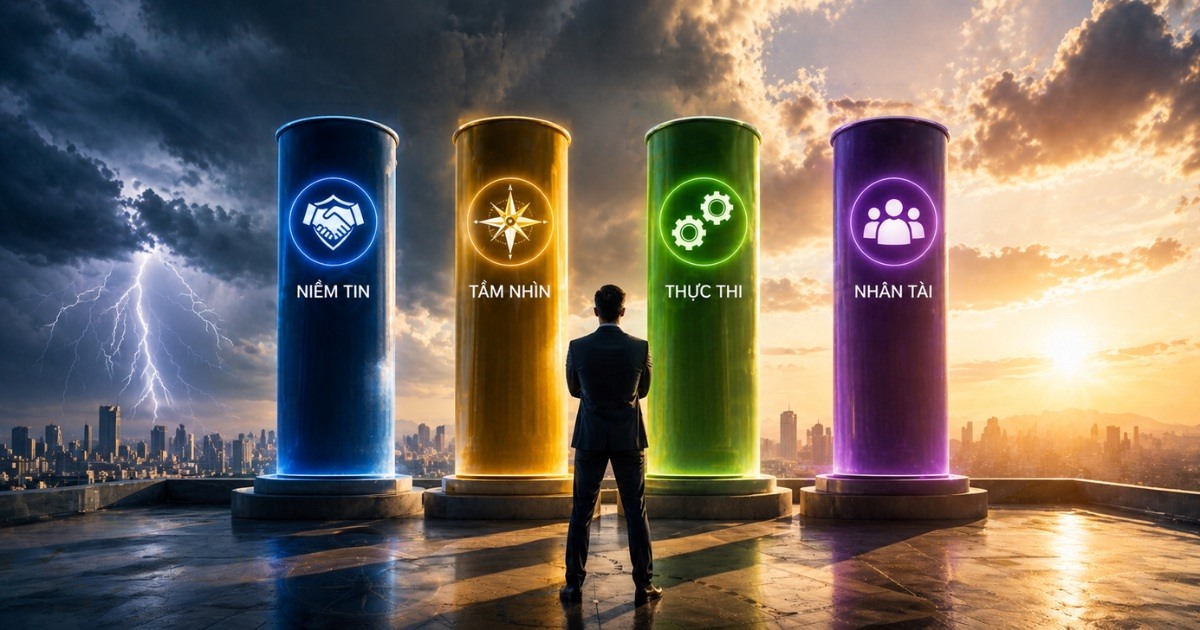
Helps leaders transition from managing tasks to leading organizations—clarifying direction, building trust, executing strategy, and developing people.
Multipliers: How the Best Leaders Ignite Everyone’s Intelligence®
Reduces dependence on key individuals by unlocking team-wide capability, enabling scalable and sustainable growth.
Leading Customer Loyalty®
Creates a consistent service mindset, improves operational alignment, and delivers sustainable customer value through a customer-centric culture.
6 Critical Practices for Leading a Team™
Provides practical tools and principles for managing teams effectively, especially for leaders who need to improve delegation, tracking, and people development.